
Our quality products and best service will make your business much better.
Professional . Specialized . Experienced
(English)

18
Dec
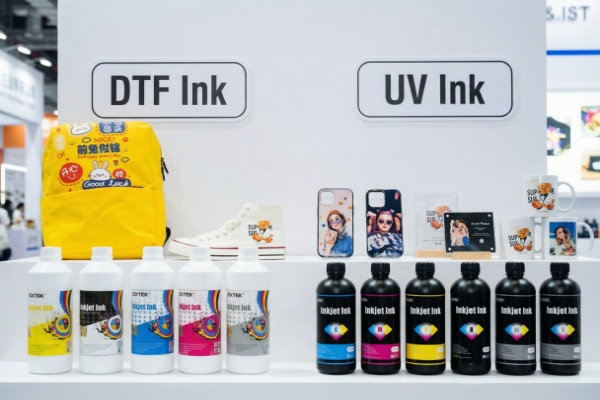
UV inks are composed of monomers and photoinitiators that stay liquid until exposed to UV light. They are much more aggressive than water-based inks.
Standard Cleaning Solution: Usually a specialized solvent (often containing Glycol Ether). It is designed to break down the chemical bond of the UV resin before it cures.
The "Head Soak" Solution: A more potent version of the daily cleaner, used for recovered clogged heads.
Wiping Solvent: Isopropyl Alcohol (IPA) is excellent for cleaning the exterior of the machine and the rollers. However, it should never be used pure IPA inside the printhead or on the manifold, as it can dry out the internal gaskets.
⚠️ Warning: Never use water or water-based cleaners on UV components. This will cause the ink to "gel" and permanently block the nozzles.
DTF inks are pigment-based and suspended in a water/glycerin carrier. The biggest challenge is the White Ink, which contains Titanium Dioxide that hardens like stone when dry.
Daily Maintenance Liquid: A gentle, distilled water-based solution with surfactants. It keeps the "wetness" of the capping station.
Intensive "Clog-Buster": A solution containing stronger ammonia or specialized humectants to re-hydrate dried pigment particles.
Capping Station Protection: Many pros use Capping Station Moisturizer (a clear, thick liquid) to fill the cap during a long shutdown (3+ days) to prevent the head from drying out.
| Feature | UV Ink Cleaning | DTF Ink Cleaning |
| Base Chemical | Solvent / Alcohol-based | Distilled Water / Glycerin-based |
| Primary Goal | Dissolving resin/monomers | Re-hydrating dried pigments |
| Swab Type | Must be lint-free polyester | Foam or polyester lint-free |
| Flush Compatibility | UV Flush (Clear/Blue) | DTF Flush (Clear/Pink) |
| Hazard Level | High (Corrosive to some plastics) | Low (Non-corrosive) |
Regardless of which ink you use, follow these "Golden Rules" to avoid damaging your equipment:
Never use cotton Q-tips. Cotton leaves micro-fibers behind that act as a "wick," drawing ink out of the nozzles and causing clogs. Use industrial-grade lint-free polyester or foam swabs.
The rubber wiper blade is the most overlooked part.
For UV, keep it clean so it doesn't drag cured "crumbs" across the head.
For DTF, a dirty wiper will smear white ink into the color nozzles, causing "cross-contamination."
No cleaning solution can save a printer in a dry room.
UV printers need humidity to prevent static.
DTF printers need 40%–60% humidity to keep the water-based ink from drying on the nozzle plate during the print job.
Estimated Time: 30–45 Minutes
Best Time: Friday afternoon or before a weekend shutdown.
The smoother the carriage moves, the higher the precision of your prints.
The Encoder Strip: Use a dry, lint-free cloth. Gently wipe the clear strip behind the carriage. Do not use alcohol unless there is a visible ink splash, as it can strip the position markings.
The Guide Rail: Wipe away old, dark grease with a paper towel. Apply a few drops of sewing machine oil or synthetic rail grease. Slide the carriage manually to distribute the lubricant.
The Drive Belt: Check the tension. If it feels slack or has visible "fraying," schedule a replacement.
This system is responsible for keeping the printhead moist and drawing ink through the nozzles.
The Pump Flush: Using a syringe, gently push 10ml of the correct cleaning solution (Solvent for UV, Water-based for DTF) through the tubes leading from the capping station to the waste tank. This prevents "ink sludge" from hardening inside the tubes.
Cap Rim Deep Clean: Use a swab to scrub the outer rubber seal of the cap. If this seal isn't airtight, your automatic cleaning cycles will fail.
Wiper Blade Replacement/Cleaning: If the rubber wiper blade looks "rounded" at the edges or has hardened ink, replace it. A faulty wiper is the cause of "color mixing" in DTF.
White Ink Filters: If your printer has inline filters (small plastic discs on the ink lines), check for sediment. If the filter looks dark or clogged, replace it to prevent "starving" the printhead.
Sub-Tank Check (UV Only): Ensure the sensors in your UV sub-tanks are clean. Ink buildup here can cause the printer to think a tank is empty when it's full.
Since you are handling industrial chemicals, your team should be aware of these safety standards based on standard Material Safety Data Sheets (MSDS):
Vapor Hazard: Use in a well-ventilated area. Long-term exposure to solvent vapors can cause dizziness.
Skin Protection: Nitrile gloves are mandatory. UV solvents can penetrate standard latex gloves and cause skin irritation or "chemical burns" over time.
Storage: Keep in a cool, dark place. UV chemicals are light-sensitive and can degrade if exposed to sunlight.
Eye Protection: While less aggressive than UV solvents, DTF cleaners often contain Ammonium or Humectants, which are severe eye irritants.
Disposal: Never pour waste ink or cleaning solution down a standard drain. Follow local regulations for "Industrial Pigment Waste" disposal.


