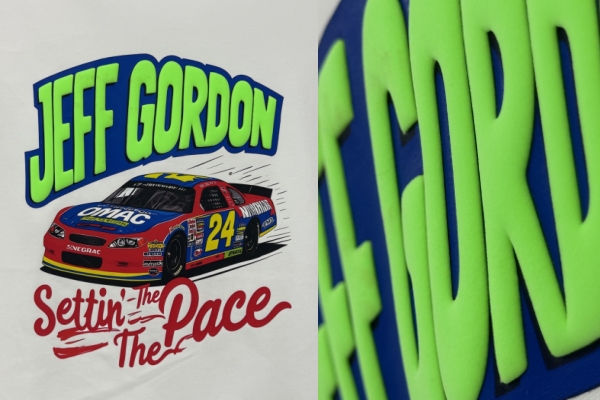
In the rapidly evolving world of custom apparel, standing out requires more than just a great design—it requires texture and depth. 3D DTF Puff Prints have emerged as one of the most sought-after trends in the 2026 streetwear market, offering a premium, tactile feel that mimics high-end embroidery without the complexity or cost. This guide will walk you through everything you need to know to master the art of dimensional printing.
What are 3D DTF Puff Prints?
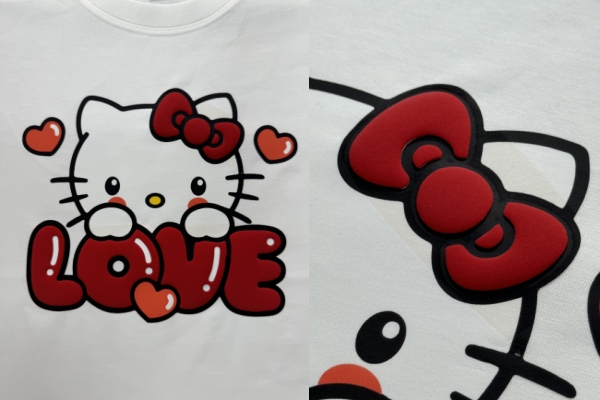
Unlike standard Direct-to-Film (DTF) transfers that lay flat on the fabric, 3D Puff DTF utilizes specialized heat-activated foaming agents. When exposed to the correct temperature and pressure, the ink expands vertically, creating a "pillowy" or raised effect. This transformation adds a professional, boutique-quality finish to garments, making them literally "pop" off the surface.
Essential Design Rules for Puff Printing
Designing for 3D expansion is different from designing for flat prints. Because the ink grows outward as it rises, you must architect your artwork to accommodate this "bloom."
1.Increase Tracking and Spacing: As the ink expands, letters and fine details will bleed into each other. It is recommended to increase your character spacing by at least 20% to maintain legibility.
2.Mind the Line Weight: Ultra-thin lines lack the volume of foaming agent necessary to trigger a significant rise. Ensure all lines have a minimum weight of 2pt.
3.Avoid Massive Solids: Large, solid blocks of puff ink can become overly rigid and uncomfortable to wear. Use "knockouts" or distressed textures to maintain garment flexibility while still achieving the 3D effect.
The Professional Workflow: The Perfect "Pop" Press
Achieving the maximum height (often 2-3mm) requires precision. While some hobbyist methods suggest a single press, professional results are best achieved through a two-step process.
Step 1: The Anchor Press
Set your heat press to 285°F – 300°F (140°C – 150°C). Position your transfer and press for 10 seconds using medium-light pressure. The goal here is to bond the adhesive to the fibers without triggering the full expansion yet.
Step 2: The Warm Peel
Wait approximately 5–10 seconds after opening the press. Perform a warm peel, removing the film carefully. Peeling while the ink is still slightly pliable prevents the edges from lifting.
Step 3: The "Pop" Press
This is the critical stage where the 3D magic happens. Cover the design with a finishing sheet (like Teflon or parchment paper) and press again for 8 to 10 seconds.
Critical Rule: Use Light Pressure during the second press. Heavy pressure acts as a ceiling that crushes the foaming agent, preventing the ink from rising to its full potential.
Choosing the Right Fabric
The success of your 3D puff print often depends on the "blank" you choose. The fabric's weave acts as the foundation for the expansion.
•100% Heavyweight Cotton: This is the gold standard. Stable fibers in 6oz+ cotton provide the best anchor for vertical expansion.
•Fleece and Hoodies: The thickness of fleece naturally complements the 3D texture, making it a favorite for streetwear logos.
•Polyester Blends: Use caution with high-synthetic fabrics. They can be slippery and prone to scorching. It is best to use the lower end of the temperature range (285°F) for these materials.
Troubleshooting Common Issues
If your puff prints aren't reaching their full potential, check these common pitfalls:
•Flat or "Pruned" Texture: This is almost always caused by too much pressure during the second press. Lighten the load and let the heat do the work.
•Inconsistent Expansion: Ensure your heat press platens are heating evenly. Use an IR thermometer to verify that there are no cold spots.
•Peeling After Washing: This indicates an insufficient Anchor Press. Ensure the first press has enough heat and time to melt the adhesive into the garment fibers.
Conclusion: Elevate Your Brand with Dimension
3D DTF Puff Prints bridge the gap between simple heat transfers and expensive industrial embroidery. By mastering the "Pop" press and following smart design principles, you can offer your customers a premium product that demands to be touched. In a market saturated with flat designs, adding dimension is the fastest way to elevate your brand's perceived value.