
Our quality products and best service will make your business much better.
Professional . Specialized . Experienced
(English)

30
Dec
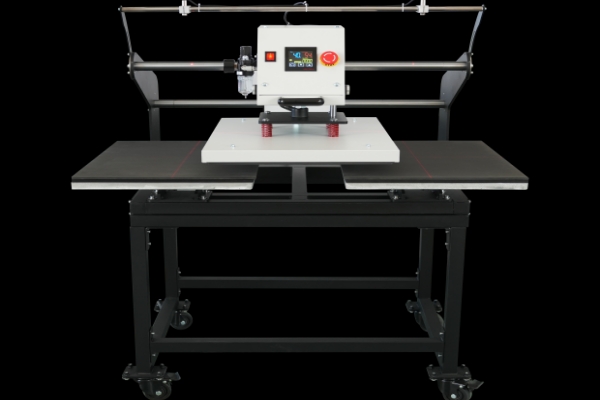
In the world of Direct-to-Film (DTF) printing, the curing process is the "make-or-break" moment. While high-quality printers and premium inks are essential, the final durability of the garment depends entirely on how well the adhesive powder is fused.
Mastering the DTF cure temperature ensures your prints are vibrant, flexible, and capable of withstanding dozens of laundry cycles without cracking or peeling.
The curing stage transforms the hot-melt adhesive powder from a dry grain into a smooth, tacky layer that anchors the ink to the fabric.
Under-Curing (The "Sandy" Trap): If the temperature is too low, the DTF powder won't fully melt. This leads to poor adhesion, and the design will likely lift or peel after the first wash.
Over-Curing (The "Brittle" Risk): Excessive heat can scorch the DTF PET film or cause the ink to "bleed." This makes the transfer brittle, leading to cracking when the fabric stretches.
The Perfect Result: You are aiming for a "glossy orange peel" finish—the powder should be completely melted and smooth, with a slight reflective sheen.
While every workshop environment (humidity and altitude) is different, these are the industry-standard starting points for high-quality production:
| Equipment Type | Recommended Temperature | Curing Time |
| Curing Oven | 110°C - 125°C (230°F - 257°F) | 120 - 180 Seconds |
| Automated Shaker/Dryer | 115°C - 130°C (239°F - 266°F) | Continuous Flow |
| Heat Press (Hover Method) | 140°C - 150°C (284°F - 302°F) | 30 - 60 Seconds |
If you are using a heat press to cure, never let the top plate touch the wet ink and powder. Hover the heating element about 1–2 cm above the film. This allows heat to circulate evenly and prevents the design from being flattened or distorted.
Humidity is often overlooked but critical. In damp environments, DTF powder can absorb moisture and "clump," requiring slightly higher temperatures or longer times to reach a full melt. Aim for a stable workspace with 40–60% humidity.
During curing, it is normal to see a small amount of white vapor—this is simply the moisture leaving the water-based ink. However, acrid or dark smoke is a warning sign that your temperature is too high and you are scorching the film or adhesive.
Achieving excellence in textile printing requires a commitment to standardized production processes. Using equipment that undergoes rigorous quality inspection ensures that your heating elements provide consistent, edge-to-edge warmth.
Reliable hardware paired with optimized settings results in excellent wash fastness and a soft-hand feel that customers expect from professional-grade custom apparel.


