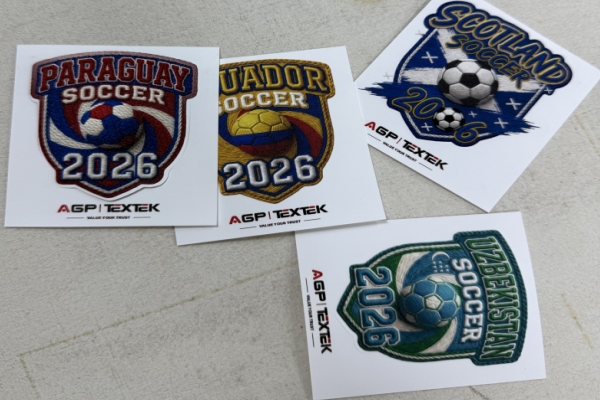
What is the UV DTF TPU embroidery effect? The UV DTF TPU embroidery effect is an advanced digital printing technology that combines UV-curable ink layering with high-elasticity TPU (Thermoplastic Polyurethane) film to create a 3D, textured finish that mimics traditional embroidery. Unlike standard UV prints, TPU ensures the design remains flexible and soft to the touch, making it ideal for high-end garments, sportswear, and accessories without the need for needles or thread.
Why TPU Makes the Difference in UV DTF Printing
While standard UV DTF is popular for hard surfaces, the TPU-based solution is specifically engineered for textiles. Here is why industry leaders are switching to TPU for the embroidery look:
•Extreme Elasticity: TPU film can stretch up to 300% without cracking, ensuring the "embroidery" design moves naturally with the fabric.
•Soft Hand-Feel: Unlike rigid UV inks, TPU-integrated prints offer a "soft-touch" finish that doesn't feel like a heavy plastic patch on the chest.
•Superior Adhesion: TPU acts as a powerful bonding agent, enabling the 3D-textured print to withstand 50+ industrial wash cycles.
UV DTF TPU vs. Traditional Embroidery: A Comparison
For brands looking to optimize production, understanding the trade-offs is essential.
|
Feature
|
UV DTF TPU Embroidery Effect
|
Traditional Embroidery
|
|
Texture & Depth
|
3D "Puff" Look (Digital)
|
Genuine Threaded 3D
|
|
Design Detail
|
High (Supports gradients & tiny text)
|
Moderate (Limited by thread width)
|
|
Production Speed
|
Very Fast (Print-on-demand)
|
Slow (Stitch-heavy)
|
|
Setup Cost
|
Zero (Digital file only)
|
High (Digitizing & setup)
|
|
Flexibility
|
High (Stretchable TPU)
|
Low (Stiff stitching)
|
|
Best For
|
Fast fashion, complex logos, small runs
|
Luxury workwear, heavy-duty uniforms
|
How to Achieve the Perfect 3D Embroidery Look
The technical workflow for UV DTF TPU involves three critical stages to ensure a realistic "stitched" appearance:
1.3D Layered Printing: The UV printer uses multiple passes of white ink and varnish to build physical height. Specialized RIP software creates a "stitch pattern" texture during this stage.
2.TPU Film Integration: The pattern is printed directly onto a high-quality TPU transfer film, which provides the necessary base for flexibility.
3.Precision Heat Transfer: The film is applied to the garment using a heat press. The heat activates the TPU adhesive, fusing the 3D design into the fibers of the fabric for a permanent bond.
Top Applications for UV DTF TPU in 2026
•Performance Sportswear: Logos on jerseys and leggings that need to stretch without peeling.
•Corporate Branding: High-detail company logos on polo shirts that would be too complex for traditional needles.
•Luxury Accessories: Textured designs on caps, tote bags, and even leather goods.
•Limited Edition Drops: Perfect for streetwear brands that need high-end aesthetics with fast turnaround times.
Frequently Asked Questions (FAQ)
Is UV DTF TPU embroidery effect durable?
Yes. Thanks to the Thermoplastic Polyurethane (TPU) base, these prints are waterproof, scratch-resistant, and highly resistant to fading. They are rated for heavy use in both consumer and industrial environments.
Can I use any UV printer for this effect?
While many UV printers can print on film, the "embroidery effect" requires a printer capable of high-density layering and specialized software to generate the stitch-like texture. Using TPU-compatible UV inks is also critical for garment applications.
Does it feel like a sticker?
No. When using premium TPU film, the result is much thinner and more flexible than a traditional sticker. It mimics the "puff" feel of high-end embroidery while maintaining a soft, wearable profile.